Best Dual-Band Wifi Routers in 2026: 15 Picks Ranked by Specs
As an Amazon Associate we earn from qualifying purchases. Links on this page are affiliate links.
A dual band wifi router manages your local network traffic by splitting connections across 2.4 GHz and 5 GHz frequency bands. The TP-Link AX3000 Dual-Band Wi-Fi 6 Router leads the ranking because its AX3000 speed rating and Gigabit Ethernet ports deliver balanced everyday throughput.
We compared 15 models based strictly on the specifications published on their listings. Use this guide to decide which Wi-Fi standard, wired port configuration, and hardware profile best match your household networking requirements.
Quick picks
The best fit for you
- You need reliable Wi-Fi 6 for everyday home networking TP-Link AX3000 Dual-Band Wi-Fi 6 Router It provides an AX3000 speed rating with dual-band Wi-Fi 6 and Gigabit ports for standard home setups.
- You want a compact router for travel network security GL.iNet Opal Dual-Band Travel Router This compact AC1200 travel model includes built-in VPN client support and full Gigabit Ethernet connectivity.
- You have a 2,000-square-foot home with multi-gigabit internet Amazon eero 7 Dual-Band Wi-Fi 7 Router It provides 2,000 square feet of Wi-Fi 7 coverage alongside dual 2.5 Gbps Ethernet ports.
- You need weatherproof dual-band coverage for outdoor spaces Amazon eero Outdoor 7 Mesh Router It features an IP66 weatherproof build and PoE support designed specifically for outdoor installations.
Our 15 picks

TP-Link AX3000 Dual-Band Wi-Fi 6 Router
Best for: everyday dual-band Gigabit home networking
- Frequency Band
- Dual-Band (what this guide is about)
- Wi-Fi Standard
- Wi-Fi 6
- Speed Rating
- AX3000
- Frequency Bands
- Dual-Band
- Max Port Speed
- Gigabit
- Intended Use
- Home
The TP-Link AX3000 Dual-Band Wi-Fi 6 Router delivers network speeds up to 2402 Mbps on the 5 GHz band and 574 Mbps on the 2.4 GHz band. Four external antennas combine with beamforming and OFDMA to handle multiple connected devices with low latency. With Gigabit ports and built-in VPN server and client support, this router suits you if you need reliable dual-band home coverage.
Pros
- Speeds up to 2402 Mbps on 5 GHz and 574 Mbps on 2.4 GHz
- Four external high-gain antennas with beamforming
- Built-in VPN server and VPN client support
- OFDMA and Target Wake Time for device efficiency
- Gigabit wired network ports
Cons
- Wired ports top out at Gigabit speeds without multi-gigabit options
- Wi-Fi 6 standard rather than newer Wi-Fi 7
Good fit if
- You need AX3000 Wi-Fi 6 speeds across standard dual-band frequencies.
- You want built-in VPN server and client support directly on the router.
- You run multiple active devices simultaneously and need OFDMA latency reduction.
Skip if
- You have an internet plan over 1 Gbps that requires multi-gigabit Ethernet ports.
- You want the newer Wi-Fi 7 networking standard.
Verdict: TP-Link AX3000 Dual-Band Wi-Fi 6 Router balances high-throughput wireless speeds with Gigabit wired connectivity for dependable everyday home networking. It provides essential Wi-Fi 6 features and built-in VPN support without unnecessary complexity.

TP-Link Archer Dual-Band Wi-Fi 7 Router
Best for: Multi-gigabit wired setups on dual-band Wi-Fi 7
- Frequency Band
- Dual-Band (what this guide is about)
- Wi-Fi Standard
- Wi-Fi 7
- Speed Rating
- BE3600
- Frequency Bands
- Dual-Band
- Coverage Area
- Up to 2,000 sq. ft.
- Device Capacity
- Up to 60 devices
This TP-Link dual-band router brings Wi-Fi 7 networking to your home without the 6 GHz band. It delivers wireless speeds up to 2882 Mbps on 5 GHz and 688 Mbps on 2.4 GHz, powered by a 2.0 GHz quad-core processor. With dual 2.5 Gbps ports alongside three 1 Gbps LAN ports, it suits you if you need multi-gigabit wired connections and coverage for up to 2,000 square feet and 60 devices.
Pros
- Two 2.5 Gbps ports plus three 1 Gbps LAN ports
- Wi-Fi 7 speeds up to 2882 Mbps on 5 GHz and 688 Mbps on 2.4 GHz
- 2.0 GHz quad-core processor manages network throughput
- EasyMesh compatible for whole-home coverage expansion
Cons
- No 6 GHz band access
- Device capacity limited to 60 connections
- Requires a separate standalone modem
Good fit if
- You have multi-gigabit internet and need 2.5 Gbps Ethernet ports.
- You want Wi-Fi 7 protocol support across up to 2,000 square feet.
- You intend to build a mesh system using EasyMesh equipment.
Skip if
- You need 6 GHz spectrum access for your Wi-Fi 7 hardware.
- You need to connect more than 60 devices simultaneously.
Verdict: TP-Link Dual-Band Wi-Fi 7 Router provides modern multi-gig wired switching and Wi-Fi 7 throughput for spaces up to 2,000 square feet. It gives you 2.5 Gbps Ethernet options without the complexity of a tri-band system.
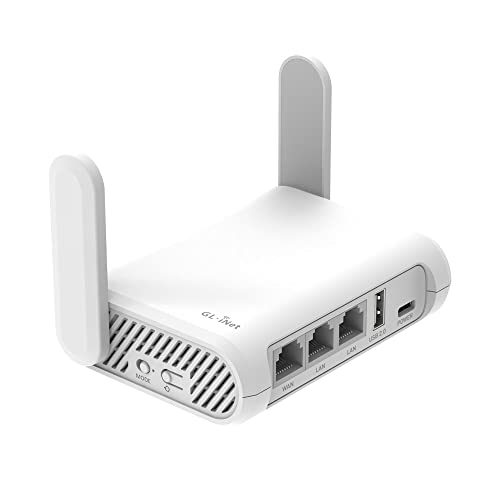
GL.iNet Opal Dual-Band Travel Router
Best for: secure travel networking on public connections
- Frequency Band
- Dual-Band (what this guide is about)
- Speed Rating
- AC1200
- Frequency Bands
- Dual-Band
- Max Port Speed
- 1 Gbps
- Use Case
- Travel
- Dimensions
- 4.65 × 1.18 × 3.35 inches
The GL.iNet Opal Dual-Band Travel Router gives you portable networking with AC1200 wireless speeds across 2.4 GHz and 5 GHz bands. It delivers up to 300 Mbps on 2.4 GHz and 867 Mbps on 5 GHz. You get three full Gigabit ports, retractable antennas, and pre-installed OpenVPN and WireGuard support. This compact unit suits you if you need secure, encrypted connections over public networks.
Pros
- Simultaneous AC1200 dual-band speeds up to 867 Mbps on 5 GHz and 300 Mbps on 2.4 GHz
- Pre-installed OpenVPN and WireGuard client support with a physical toggle switch
- One Gigabit WAN port and two Gigabit LAN ports for wired setups
- Compact pocket-sized design with retractable antennas
Cons
- Lacks EasyTether support
- Provides only two Gigabit LAN ports
- Hardware toggle switch requires manual setup in the admin panel before use
Good fit if
- You want to convert public wired or wireless networks into a private Wi-Fi hotspot.
- You need pre-installed WireGuard or OpenVPN protocols configured on your router.
- You need wired Gigabit Ethernet connectivity in a lightweight travel design.
Skip if
- You require EasyTether functionality for your internet connection.
- You need more than two wired LAN ports for client devices.
Verdict: GL.iNet Opal Dual-Band Travel Router is a compact AC1200 networking solution that combines built-in VPN client support with full Gigabit Ethernet connectivity. It delivers secure routing for your personal devices whenever you connect to public networks.

TP-Link Archer Dual-Band WiFi 7 Router
Best for: multi-gigabit wired and Wi-Fi 7 home connections
- Frequency Band
- Dual-Band (what this guide is about)
- Wi-Fi Standard
- Wi-Fi 7
- Speed Rating
- BE6500
- Frequency Bands
- Dual-Band
- Coverage Area
- Up to 2,400 sq. ft.
- Device Capacity
- Up to 90 devices
The TP-Link Dual-Band Wi-Fi 7 Router delivers wireless connectivity across two bands with up to 6.5 Gbps of total bandwidth. It features six streams, multi-link operation, and two 2.5 Gbps Ethernet ports alongside three 1 Gbps LAN ports. This setup covers up to 2,400 square feet and handles up to 90 connected devices. It suits you if you need multi-gigabit wired speeds and Wi-Fi 7 performance for high-bandwidth streaming and downloads.
Pros
- Two 2.5 Gbps ports for multi-gigabit WAN and LAN connections
- Up to 5,764 Mbps speeds on 5 GHz and 688 Mbps on 2.4 GHz
- Supports Multi-Link Operation (MLO) for Wi-Fi 7 throughput
- Covers up to 2,400 square feet and connects up to 90 devices
Cons
- Not compatible with TP-Link Deco mesh systems
- Requires a separate modem to function
Good fit if
- You have an internet plan over 1 Gbps and need a 2.5 Gbps WAN port
- You want to build or expand an EasyMesh-compatible network
- You connect up to 90 wireless devices across a home up to 2,400 square feet
Skip if
- You currently use a TP-Link Deco mesh network
- You need an all-in-one unit with a built-in modem
Verdict: TP-Link Dual-Band Wi-Fi 7 Router brings multi-gigabit wired networking and Wi-Fi 7 capabilities to homes up to 2,400 square feet. It provides fast dual-band throughput without requiring a proprietary mesh system.

TP-Link Deco Dual-Band Wi-Fi 7 Mesh Router
Best for: multi-gigabit mesh setups needing dual 2.5G ports
- Frequency Band
- Dual-Band (what this guide is about)
- Wi-Fi Standard
- WiFi 7
- Speed Rating
- BE3600
- Frequency Bands
- Dual-Band
- Coverage Area
- 2,500 sq. ft
- Device Capacity
- 150 devices
This standalone mesh unit brings Wi-Fi 7 speeds to a dual-band setup. You get up to 2,882 Mbps on the 5 GHz band, 688 Mbps on the 2.4 GHz band, and coverage up to 2,500 square feet. Two 2.5 Gbps ports handle multi-gigabit wired connections. It suits you if you need modern Wi-Fi 7 protocols, built-in VPN support, and expandable mesh coverage.
Pros
- Two 2.5 Gbps WAN/LAN ports for multi-gigabit wired setups
- Wi-Fi 7 support with Multi-Link Operation and 4K-QAM
- Coverage reaches up to 2,500 square feet for 150 devices
- Built-in VPN client and VPN server functionality
Cons
- Dual-band configuration lacks the 6 GHz Wi-Fi 7 band
- Limited to two physical Ethernet ports
Good fit if
- You have a multi-gigabit internet connection requiring 2.5 Gbps ports.
- You want seamless mesh roaming across up to 2,500 square feet.
- You run VPN protocols directly on your network hardware.
Skip if
- You need the 6 GHz wireless band for tri-band Wi-Fi 7 devices.
- You require more than two wired Ethernet connections at the router.
Verdict: TP-Link Deco Dual-Band Wi-Fi 7 Mesh Router pairs dual 2.5 Gbps ports with next-generation Wi-Fi 7 transmission features for expandable home coverage. It delivers multi-gigabit wired capability and advanced roaming without the cost of a third wireless band.
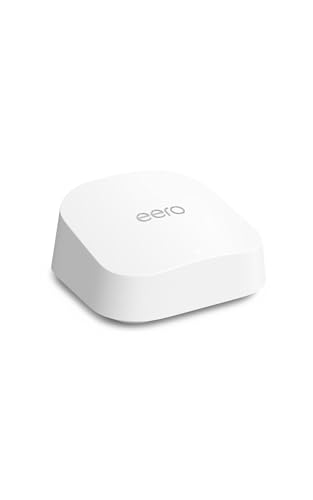
Amazon eero 7 Dual-Band Wi-Fi 7 Router
Best for: 2,000-square-foot homes with 2.5 Gbps internet plans
- Frequency Band
- Dual-Band (what this guide is about)
- Wi-Fi Standard
- Wi-Fi 7
- Frequency Bands
- Dual-Band
- Coverage Area
- up to 2,000 sq. ft.
- Device Capacity
- 120+ devices
- Max Port Speed
- 2.5 Gbps
The Amazon eero 7 is a dual-band Wi-Fi 7 mesh router designed to cover spaces up to 2,000 square feet. It features two auto-sensing 2.5 GbE Ethernet ports to handle internet connections up to 2.5 Gbps, alongside wireless speeds up to 1.8 Gbps. With support for over 120 devices and Multi-Link Operation, it gives you modern Wi-Fi 7 capability while maintaining compatibility across existing eero hardware systems.
Pros
- Two auto-sensing 2.5 GbE ports for multi-gigabit connections
- Wi-Fi 7 support with Multi-Link Operation (MLO)
- Coverage reaches up to 2,000 square feet for 120+ devices
- Backward compatible with previous eero devices and select Echo units
Cons
- Provides only two wired Ethernet ports
- Dual-band design does not include 6 GHz frequency access
- Maximum wireless throughput is capped at 1.8 Gbps
Good fit if
- You have an internet service plan up to 2.5 Gbps.
- You need wireless coverage across a 2,000-square-foot space.
- You want to connect to an existing eero mesh or compatible Echo hardware.
Skip if
- You need more than two wired network ports.
- You require tri-band Wi-Fi 7 operation with 6 GHz support.
Verdict: Amazon eero 7 Dual-Band Mesh Router pairs dual 2.5 GbE ports with 2,000 square feet of Wi-Fi 7 coverage. It provides a straightforward path to multi-gigabit wired speeds and mesh expansion.
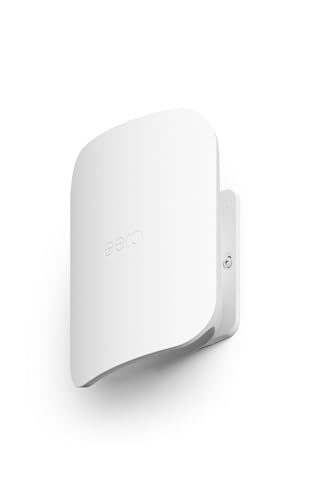
Amazon eero Outdoor 7 Mesh Router
Best for: large outdoor areas needing weatherproof mesh coverage
- Frequency Band
- Dual-Band (what this guide is about)
- Wi-Fi Standard
- Wi-Fi 7
- Frequency Bands
- Dual-Band
- Coverage Area
- Up to 15,000 sq ft
- Device Capacity
- 100+ devices
- Pack Size
- 1-Pack
The Amazon eero Outdoor 7 is a dual-band Wi-Fi 7 mesh router designed for exterior installation. It delivers speeds up to 2.1 Gbps and covers up to 15,000 square feet with support for over 100 devices. Its IP66-rated housing withstands temperatures from -40°F to 131°F. You can power it via AC or PoE+. This unit suits you if you need to extend your existing eero mesh network across large outdoor areas.
Pros
- IP66 weather-resistant rating operating from -40°F to 131°F
- Up to 15,000 square feet of outdoor coverage
- Power over Ethernet (PoE+) and AC power support
- Wi-Fi 7 wireless speeds up to 2.1 Gbps
Cons
- Requires the eero app for setup and management
- Advanced security features require an optional subscription
Good fit if
- You need outdoor Wi-Fi coverage across up to 15,000 square feet.
- You want to extend an existing eero mesh system outside.
- You prefer powering hardware via PoE+ or standard AC.
Skip if
- You only require indoor network coverage.
- You prefer configuring your router without an app.
- You want included security features without an extra subscription.
Verdict: Amazon eero Outdoor 7 Mesh Router expands Wi-Fi 7 connectivity across exterior spaces with durable IP66 weatherproofing. It provides reliable wide-area coverage and flexible PoE+ or AC powering for outdoor eero setups.

Smart Air Minions Bob AX1800 Wi-Fi 6 Router
Best for: Compact dual-band setups with minimal wired devices
- Frequency Band
- Dual-Band (what this guide is about)
- Wi-Fi Standard
- Wi-Fi 6
- Speed Rating
- AX1800
- Frequency Bands
- Dual-Band
- Max Port Speed
- 1 Gbps
- Ethernet Ports
- 2
The Smart Air Minions Bob Dual-Band Wi-Fi 6 Router provides entry-level 802.11ax networking in a character-themed chassis. You get dual-band AX1800 speeds reaching up to 1.2 Gbps on the 5 GHz band and 573 Mbps on 2.4 GHz. Wired connectivity includes one Gigabit WAN port and one Gigabit LAN port. It works well if you want a compact Wi-Fi 6 unit for PCVR or streaming that also operates as an access point or mesh node.
Pros
- Dual-band Wi-Fi 6 speeds up to 1.2 Gbps on 5 GHz and 573 Mbps on 2.4 GHz
- Supports router, access point, range extender, and mesh modes
- Compact upright footprint measuring 4.2 by 4.8 by 5.5 inches
- Supports modern WPA3 wireless encryption
Cons
- Only provides one Gigabit LAN port for wired devices
- Mesh networking requires compatible Davolink Minions hardware
Good fit if
- You need a compact Wi-Fi 6 router or access point for wireless PCVR or streaming.
- You want flexible hardware that can function as a standalone router, extender, or access point.
- You only need to connect a single wired client over Gigabit LAN.
Skip if
- You require multiple Gigabit LAN ports to connect several wired devices.
- You need higher throughput than entry-level AX1800 speeds provide.
Verdict: Smart Air Minions Bob Dual-Band Wi-Fi 6 Router delivers standard AX1800 wireless speeds and multi-mode versatility inside a novelty form factor. Its single LAN port makes it best suited for spaces that rely primarily on wireless connections.

TP-Link Archer Dual-Band AC1200 Router
Best for: compact homes needing EasyMesh-ready dual-band coverage
- Frequency Band
- Dual-Band (what this guide is about)
- Speed Rating
- AC1200
- Frequency Bands
- Dual-band
- Coverage Area
- up to 1,000 sq. ft.
- Dimensions
- 5.7 × 9.1 × 1.5 inches
- Weight
- 1.45 pounds
The TP-Link AC1200 Dual-Band Router provides up to 867 Mbps on the 5 GHz band and 300 Mbps on the 2.4 GHz band. Built with four external antennas, it covers homes up to 1,000 square feet. You can deploy it as an access point or build a mesh network using EasyMesh hardware. It suits you if you need reliable basic Wi-Fi in smaller spaces.
Pros
- Dual-band throughput up to 867 Mbps on 5 GHz and 300 Mbps on 2.4 GHz
- EasyMesh compatibility for adding range extenders and routers
- Supports Access Point mode and WPA3 wireless security protocol
- Four external antennas delivering up to 1,000 sq. ft. of coverage
Cons
- Does not support the 6 GHz frequency band
- Coverage limited to 1,000 sq. ft. without add-on mesh nodes
- Requires a separate standalone modem from your service provider
Good fit if
- You live in a space up to 1,000 square feet.
- You want to pair EasyMesh-compatible hardware for whole-home coverage.
- You need Access Point mode or IPTV streaming optimizations like IGMP Snooping.
Skip if
- You require 6 GHz frequency band connectivity.
- You need standalone coverage for homes larger than 1,000 square feet.
Verdict: TP-Link AC1200 Dual-Band Router delivers dependable dual-band wireless speeds up to 1,200 Mbps with EasyMesh expansion and WPA3 protection. It serves smaller homes and simple setups that need flexible modes without extra complexity.

ASUS Dual-Band WiFi 7 Travel Router
Best for: portable travel networking and secure mobile tethering
- Frequency Band
- Dual-Band (what this guide is about)
- Wi-Fi Standard
- WiFi 7
- Speed Rating
- 3600 Mbps
- Frequency Bands
- Dual-Band
- Use Case
- Travel
- Dimensions
- 4.4 × 3.9 × 1.4 inches
The ASUS Dual-Band WiFi 7 Travel Router gives you up to 3600 Mbps throughput in a pocket-sized 0.5-pound chassis. Powered via an 18W USB-C port, it supports WISP mode for public networks, 4G and 5G smartphone tethering, and ASUS AiMesh expansion. If you need portable dual-band Wi-Fi 7 networking with integrated VPN support for travel or compact spaces, this hardware fits your setup.
Pros
- Dual-band Wi-Fi 7 speeds up to 3600 Mbps with MLO and 4K-QAM
- Powered via standard 18W USB-C Power Delivery
- Built-in WISP mode and 4G/5G mobile tethering support
- AiMesh compatible for extendable whole-home network coverage
- Included 3-year manufacturer warranty
Cons
- Dual-band design does not include the 6 GHz frequency band
- Compact travel casing limits space for traditional multi-port LAN arrays
Good fit if
- You need a lightweight dual-band router that runs from a standard USB-C charger.
- You want hardware-level VPN security and WISP mode when connecting to hotel or cruise Wi-Fi.
- You plan to tether a 4G or 5G mobile connection to share across multiple devices.
Skip if
- You need the 6 GHz band provided by tri-band Wi-Fi 7 hardware.
- You require a bank of multiple wired Ethernet ports for stationary desktop equipment.
Verdict: ASUS Dual-Band WiFi 7 Travel Router delivers up to 3600 Mbps wireless speeds alongside flexible USB-C power and tethering capabilities. It provides secure public hotspot management in a compact form factor without requiring proprietary adapters.

ASUS Dual-Band WiFi 6 Router
Best for: multi-device home streaming and wired setups
- Frequency Band
- Dual-Band (what this guide is about)
- Wi-Fi Standard
- Wi-Fi 6
- Speed Rating
- AX1800
- Frequency Bands
- Dual-Band
- Max Port Speed
- 1 Gbps
- Ethernet Ports
- 5
This ASUS dual-band router uses the Wi-Fi 6 standard with OFDMA and MU-MIMO to manage multiple data streams simultaneously. It features four external antennas, a dual-core processor, one Gigabit WAN port, and four Gigabit LAN ports for wired setups. You also get built-in VPN support and parental controls without added subscriptions. It suits you if you need steady local bandwidth for media streaming and connected home devices.
Pros
- Four Gigabit LAN ports and one Gigabit WAN port
- Wi-Fi 6 with MU-MIMO and OFDMA support
- Built-in VPN tools and parental controls
- Four external antennas
Cons
- Lacks multi-gigabit Ethernet ports
- Dual-band design without 6 GHz spectrum access
Good fit if
- You want four wired Gigabit LAN ports for media gear.
- You stream video across multiple Wi-Fi 6 devices simultaneously.
- You need built-in VPN tools and parental control features.
Skip if
- You need wired speeds exceeding 1 Gbps.
- You want tri-band coverage with 6 GHz frequency access.
Verdict: ASUS Dual-Band WiFi 6 Streaming Router provides dedicated Gigabit Ethernet connectivity and Wi-Fi 6 traffic management for home entertainment. Its hardware handles multi-client streaming efficiently without requiring subscription fees for base security.
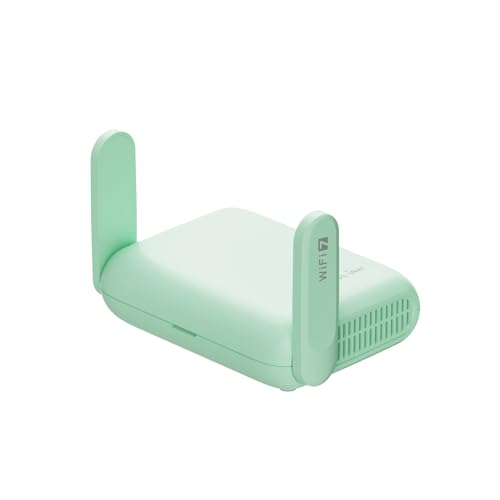
GL.iNet Beryl 7 Wi-Fi 7 Travel Router
Best for: portable travel networking with high-speed VPN support
- Frequency Band
- Dual-Band (what this guide is about)
- Wi-Fi Standard
- Wi-Fi 7
- Frequency Bands
- Dual-Band
- Device Capacity
- Up to 120
- Max Port Speed
- 2.5 Gbps
- Ethernet Ports
- 2
The GL.iNet Beryl 7 Wi-Fi 7 Travel Router is a compact dual-band router designed for portable setups. It delivers dual-band wireless speeds up to 688 Mbps on 2.4 GHz and 2882 Mbps on 5 GHz. You get two 2.5G Ethernet ports for multi-gigabit wired connections and pre-installed OpenVPN and WireGuard support. It suits you if you need secure, encrypted connections on hotel networks or travel locations without sacrificing wired throughput.
Pros
- Dual 2.5G Ethernet ports for WAN and LAN connections
- Wi-Fi 7 speeds reaching 2882 Mbps on 5 GHz and 688 Mbps on 2.4 GHz
- Pre-installed WireGuard and OpenVPN client and server support
- Compact pocket-sized design weighing under 0.5 pounds with international plugs included
Cons
- Provides only a single LAN Ethernet port for wired client devices
- Physical toggle button requires manual configuration in the admin panel before use
Good fit if
- You travel often and need portable hardware-level VPN encryption on public networks.
- You need 2.5G multi-gigabit wired ports in a compact travel form factor.
Skip if
- You require multiple wired LAN ports for home office equipment.
- You want a tri-band Wi-Fi 7 router that includes the 6 GHz frequency band.
Verdict: GL.iNet Beryl 7 Wi-Fi 7 Travel Router delivers multi-gigabit 2.5G Ethernet ports and fast dual-band Wi-Fi 7 in a pocketable build. It is an ideal portable choice if you require OpenWrt versatility and high-speed VPN security on the go.

TP-Link AC1900 Dual-Band Router
Best for: Reliable Wi-Fi 5 coverage in smaller homes
- Frequency Band
- Dual-Band (what this guide is about)
- Wi-Fi Standard
- Wi-Fi 5
- Speed Rating
- AC1900
- Frequency Bands
- Dual Band
- Coverage Area
- 1,200 sq. ft.
- Max Port Speed
- Gigabit
This TP-Link dual-band router uses the Wi-Fi 5 standard to deliver AC1900 speeds, reaching up to 1300 Mbps on the 5 GHz band and 600 Mbps on 2.4 GHz. It covers up to 1,200 square feet and includes four Gigabit LAN ports for wired devices. With 3-stream MU-MIMO and OneMesh compatibility, it suits you if you need reliable basic coverage and wired connections without newer wireless standards.
Pros
- Up to 1300 Mbps on 5 GHz and 600 Mbps on 2.4 GHz
- Four Gigabit LAN ports and one Gigabit WAN port
- Three simultaneous data streams via MU-MIMO
- OneMesh support for connecting compatible extenders
Cons
- No USB ports for shared network storage
- Coverage limited to 1,200 square feet
- Wi-Fi 5 specification without 6 GHz support
Good fit if
- You want Wi-Fi 5 performance for a home under 1,200 square feet.
- You need four Gigabit Ethernet ports for wired consoles or PCs.
- You plan to expand coverage using TP-Link OneMesh extenders.
Skip if
- You require USB connectivity for printers or external hard drives.
- You want newer Wi-Fi 6 or Wi-Fi 7 standards.
- You need standalone wireless coverage beyond 1,200 square feet.
Verdict: TP-Link AC1900 Wi-Fi 5 Router provides practical dual-band speeds and four Gigabit LAN ports for spaces up to 1,200 square feet. It delivers dependable performance if you do not require newer Wi-Fi generations or USB sharing.

ASUS Dual-Band WiFi 7 Router
Best for: multi-gigabit wired setups on dual-band Wi-Fi 7
- Frequency Band
- Dual-Band (what this guide is about)
- Wi-Fi Standard
- WiFi 7
- Frequency Bands
- Dual-Band
- Max Port Speed
- 2.5 Gbps
- Features
- VPN
- Dimensions
- 13.9 × 0.89 × 10.4 inches
This ASUS dual-band Wi-Fi 7 router delivers throughput speeds up to 6500 Mbps across two frequency bands using 4096-QAM modulation. You get five 2.5GbE ports for high-speed wired connections, alongside Multi-link Operation and VPN support. Built-in AiMesh allows pairing with compatible nodes for whole-home coverage. It suits you if you need multi-gigabit wired interfaces and current wireless standards for local data transfers without upgrading to a tri-band system.
Pros
- Five 2.5GbE ports for multi-gigabit wired connections
- Wi-Fi 7 speeds up to 6500 Mbps with 4096-QAM
- Multi-link Operation enables concurrent connections across bands
- AiMesh compatible for whole-home mesh expansion
- Built-in VPN compatibility and AiProtection Pro security tools
Cons
- Dual-band configuration lacks a 6 GHz frequency band
- No 10GbE or SFP+ ports unlike higher-tier variants in the series
Good fit if
- You want multi-gigabit wired connectivity across up to five 2.5GbE ports.
- You plan to build a mesh system using ASUS AiMesh compatible devices.
- You need Wi-Fi 7 speeds up to 6500 Mbps on standard dual-band frequencies.
Skip if
- You want a tri-band router with access to 6 GHz wireless spectrum.
- You require 10 Gbps wired ports or SFP+ networking.
Verdict: ASUS Dual-Band WiFi 7 Router with 2.5G Ports provides fast 6500 Mbps dual-band wireless throughput and generous multi-gigabit wired expansion. It serves wired and wireless setups that require high throughput without the jump to tri-band hardware.

TP-Link Archer Dual-Band WiFi 6 Router
Best for: everyday Wi-Fi 6 home networking
- Frequency Band
- Dual-Band (what this guide is about)
- Wi-Fi Standard
- Wi-Fi 6
- Frequency Bands
- Dual-Band
- Max Port Speed
- Gigabit
- Ethernet Ports
- 4
- Dimensions
- 10.2 × 4.96 × 1.3 inches
The TP-Link Archer Dual-Band Wi-Fi 6 Router is a standalone wireless router designed for everyday home setups. It supplies Wi-Fi 6 speeds up to 1201 Mbps on the 5 GHz band and 300 Mbps on 2.4 GHz, backed by a 900MHz dual-core processor. With four Gigabit LAN ports and TP-Link OneMesh support, it suits you if you need reliable wired connections and an easy path to extend coverage later.
Pros
- Wi-Fi 6 speeds up to 1201 Mbps on the 5 GHz band
- Four Gigabit LAN ports for wired device connectivity
- OneMesh support for linking compatible TP-Link extenders
- Dual-core 900MHz processor handles concurrent network traffic
Cons
- 2.4 GHz band is limited to 802.11n speeds up to 300 Mbps
- No multi-gigabit Ethernet ports provided
Good fit if
- You want Wi-Fi 6 speeds on 5 GHz alongside legacy 2.4 GHz support.
- You need four Gigabit Ethernet ports for stationary wired equipment.
- You plan to expand your network using TP-Link OneMesh extenders.
Skip if
- You require Wi-Fi 6 standard features and speeds on the 2.4 GHz band.
- You need faster Ethernet throughput than standard Gigabit speeds.
Verdict: TP-Link Archer Dual-Band Wi-Fi 6 Router delivers essential Wi-Fi 6 connectivity alongside four wired Gigabit ports and OneMesh expansion options. It provides a balanced dual-band foundation for standard home networks.
Specifications side by side
| Spec | TP-Link AX3000 Dual-Band Wi-Fi 6 Router | TP-Link Archer Dual-Band Wi-Fi 7 Router | GL.iNet Opal Dual-Band Travel Router | TP-Link Archer Dual-Band WiFi 7 Router | TP-Link Deco Dual-Band Wi-Fi 7 Mesh Router | Amazon eero 7 Dual-Band Wi-Fi 7 Router | Amazon eero Outdoor 7 Mesh Router | Smart Air Minions Bob AX1800 Wi-Fi 6 Router | TP-Link Archer Dual-Band AC1200 Router | ASUS Dual-Band WiFi 7 Travel Router | ASUS Dual-Band WiFi 6 Router | GL.iNet Beryl 7 Wi-Fi 7 Travel Router | TP-Link AC1900 Dual-Band Router | ASUS Dual-Band WiFi 7 Router | TP-Link Archer Dual-Band WiFi 6 Router |
|---|---|---|---|---|---|---|---|---|---|---|---|---|---|---|---|
| Wi-Fi Standard | Wi-Fi 6 | Wi-Fi 7 | not specified | Wi-Fi 7 | WiFi 7 | Wi-Fi 7 | Wi-Fi 7 | Wi-Fi 6 | not specified | WiFi 7 | Wi-Fi 6 | Wi-Fi 7 | Wi-Fi 5 | WiFi 7 | Wi-Fi 6 |
| Speed Rating | AX3000 | BE3600 | AC1200 | BE6500 | BE3600 | not specified | not specified | AX1800 | AC1200 | 3600 Mbps | AX1800 | not specified | AC1900 | not specified | not specified |
| Frequency Bands | Dual-Band | Dual-Band | Dual-Band | Dual-Band | Dual-Band | Dual-Band | Dual-Band | Dual-Band | Dual-band | Dual-Band | Dual-Band | Dual-Band | Dual Band | Dual-Band | Dual-Band |
| Coverage Area | not specified | Up to 2,000 sq. ft. | not specified | Up to 2,400 sq. ft. | 2,500 sq. ft | up to 2,000 sq. ft. | Up to 15,000 sq ft | not specified | up to 1,000 sq. ft. | not specified | not specified | not specified | 1,200 sq. ft. | not specified | not specified |
| Device Capacity | not specified | Up to 60 devices | not specified | Up to 90 devices | 150 devices | 120+ devices | 100+ devices | not specified | not specified | not specified | not specified | Up to 120 | not specified | not specified | not specified |
| Max Port Speed | Gigabit | 2.5 Gbps | 1 Gbps | 2.5 Gbps | 2.5 Gbps | 2.5 Gbps | not specified | 1 Gbps | not specified | not specified | 1 Gbps | 2.5 Gbps | Gigabit | 2.5 Gbps | Gigabit |
| Ethernet Ports | not specified | 5 | not specified | 5 | 2 | 2 | not specified | 2 | not specified | not specified | 5 | 2 | 5 | not specified | 4 |
| Frequency Band | Dual-Band | Dual-Band | Dual-Band | Dual-Band | Dual-Band | Dual-Band | Dual-Band | Dual-Band | Dual-Band | Dual-Band | Dual-Band | Dual-Band | Dual-Band | Dual-Band | Dual-Band |
| Pack Size | not specified | not specified | not specified | not specified | not specified | 1-Pack | 1-Pack | not specified | not specified | not specified | not specified | not specified | not specified | not specified | not specified |
| PoE Support | not specified | not specified | not specified | not specified | not specified | not specified | PoE | not specified | not specified | not specified | not specified | not specified | not specified | not specified | not specified |
| Use Case | not specified | not specified | Travel | not specified | not specified | not specified | not specified | Gaming | not specified | Travel | Gaming, Streaming | Travel | not specified | not specified | not specified |
| Features | not specified | not specified | not specified | not specified | not specified | not specified | not specified | not specified | not specified | not specified | VPN, Parental Controls | not specified | not specified | VPN | not specified |
| Port Speed | Gigabit | not specified | not specified | not specified | not specified | 2.5G | not specified | Gigabit | not specified | not specified | not specified | not specified | not specified | 2.5G | Gigabit |
| Intended Use | Home | not specified | not specified | not specified | not specified | not specified | Outdoors | not specified | not specified | not specified | Home | not specified | not specified | not specified | not specified |
| Placement | not specified | not specified | not specified | not specified | not specified | not specified | Outdoor | not specified | not specified | not specified | not specified | not specified | not specified | not specified | not specified |
| Dimensions | 13 × 9.45 × 2.87 inches | 13.5 × 10.7 × 1.6 inches | 4.65 × 1.18 × 3.35 inches | 4.72 × 1.57 × 7.09 inches | not specified | 5.12 × 2.52 × 5.12 inches | 8.17 × 6.34 × 2.54 inches | 4.2 × 4.8 × 5.5 inches | 5.7 × 9.1 × 1.5 inches | 4.4 × 3.9 × 1.4 inches | 9.06 × 5.28 × 2.2 inches | 3.31 × 1.3 × 4.69 inches | 9.57 × 6.32 × 1.28 inches | 13.9 × 0.89 × 10.4 inches | 10.2 × 4.96 × 1.3 inches |
| Weight | 1.66 pounds | 1.21 pounds | 10.6 ounces | 1.37 pounds | not specified | 1.34 pounds | 2.43 pounds | not specified | 1.45 pounds | 8 ounces | 13.1 ounces | 7.23 ounces | 14.6 ounces | 1.1 pounds | 13.4 ounces |
| Size | AX3000 | Compact | Compact | 10.6 x 6 x 1.9 inches | 1 - Pack | not specified | 1-pack | 4.2 inches (L) x 4.8 inches (W) x 5.5 inches (H) | 5.7 x 9.1 x 1.5 inches | Dual-Band | Router | not specified | Wi-Fi 5 AC1900 | Dual-Band | WiFi 6 Router |
| Color | Black | Black | White | Black | White | WHITE | WHITE | Yellow, Blue | white | WHITE | BLACK | Mint Green | Black | Eclipse Gray | Black |
| Model | Archer AX55 | Archer BE230 | SFT1200 | Archer BE400 | Deco BE23(1-Pack) | PA10001 | SN10001 | AXE-5400 | Archer A54 | RT-BE58 GO | RT-AX1800S | GL-MT3600BE | Archer A8 | RT-BE82U | Archer AX10 |
How to Choose a Dual-Band Router
-
Select the Wi-Fi Generation
Match your client devices to the supported Wi-Fi standard. Wi-Fi 5 routers using the AC standard suit basic wireless tasks and older hardware. Wi-Fi 6 models marked with AX ratings offer improved multi-client data handling for modern households. If you own compatible next-generation hardware, Wi-Fi 7 units like the TP-Link Deco Dual-Band Wi-Fi 7 Mesh Router deliver current wireless transmission features. Evaluate your device inventory before buying. Choosing the standard that matches your devices prevents wasted capabilities while ensuring stable dual-band transmission across your home.
-
Check Rated Coverage Area
Compare the square footage rating of the router against the physical size of your home. A single dual-band router designed for up to 1,200 square feet suits compact apartments, but multi-room properties require larger reach. The TP-Link Archer Dual-Band WiFi 7 Router lists coverage up to 2,400 square feet, which prevents dead zones in medium-sized structures without extra hardware. Measure your floor plan before selecting a unit. Choosing a router rated specifically for your home size ensures dependable signal strength across your living space.
-
Verify Outdoor Weatherproof Ratings
Check the placement specifications and environmental ratings before installing hardware outside. Standard dual-band routers lack weather protection and function only indoors. If you need coverage in yards, patios, or detached structures, choose dedicated outdoor hardware. The Amazon eero Outdoor 7 Mesh Router features an IP66 weatherproofing rating alongside PoE+ and AC power support to withstand exterior exposure. Verify your mounting location and power delivery method beforehand. Selecting hardware built specifically for outdoor conditions ensures continuous operation through wet and extreme weather.
-
Consider Travel Form Factors
Review device dimensions and weight if you need portable networking on trips. Standard dual-band home routers use larger desktop chassis that require permanent desk placement. In contrast, portable models weigh under a pound and slip into travel bags easily. The GL.iNet Opal Dual-Band Travel Router measures 1.18 inches wide, weighs under 0.7 pounds, and includes compact antennas for transport. Verify the weight and physical dimensions on the spec sheet. Choosing a dedicated compact travel unit gives you portable routing without sacrificing Ethernet functionality.
-
Review Built-in Management Features
Examine the built-in software features if you require direct network control and device management. Basic dual-band routers manage local routing, but specialized models include dedicated administrative tools. The ASUS Dual-Band WiFi 6 Router lists integrated VPN support and parental controls directly in its specifications, eliminating external software requirements for household management. Look closely at the hardware feature list to confirm which security protocols are supported natively. Choosing a router with native control features lets you supervise home devices directly from your central network hub.
-
Assess Wireless Speed Ratings
Inspect the wireless speed rating to confirm combined dual-band throughput across both wireless frequencies. Entry-level models provide AC1200 or AX1800 ratings, which provide sufficient wireless bandwidth for modest home usage and small client counts. The Smart Air Minions Bob AX1800 Wi-Fi 6 Router specifies an AX1800 speed rating for basic dual-band distribution. Compare the rating against your expected client count and throughput demands. Matching the speed tier to your household usage prevents wireless traffic bottlenecks during simultaneous activities.
Frequently asked questions
What is the difference between 2.4 GHz and 5 GHz on a dual-band router?
A dual-band router broadcasts two separate wireless signals to balance range and speed. The 2.4 GHz band transmits over longer distances and penetrates walls effectively, but provides lower data throughput. The 5 GHz band offers faster transfer rates with less interference, though its coverage area is shorter. Your router directs devices between both frequencies.
Can a dual-band router use the Wi-Fi 7 standard?
Yes, dual-band routers can utilize the Wi-Fi 7 wireless standard. Models such as the TP-Link Archer BE230, TP-Link Deco BE23, and ASUS RT-BE82U combine Wi-Fi 7 technology with dual-band operation. These units provide advanced wireless throughput and 2.5 Gbps Ethernet connectivity across the standard 2.4 GHz and 5 GHz spectrums without adding a third 6 GHz frequency band.
How much square footage does a single dual-band router cover?
Coverage depends on the specific router model and internal radio design. For smaller spaces, the TP-Link Archer A8 covers up to 1,200 square feet. Mid-sized options like the TP-Link Archer BE230 and Amazon eero 7 support spaces up to 2,000 square feet. Standalone units like the TP-Link Archer BE400 are rated for homes up to 2,400 square feet.
Can you install a dual-band mesh router outside?
You can install a dual-band router outside if it features a rated weatherized housing. The Amazon eero Outdoor 7 is designed specifically for exterior environments with an IP66 weatherproof casing. It supports flexible power through PoE+ or AC connections to deliver outdoor coverage, whereas standard dual-band routers are intended strictly for indoor placement away from moisture.
How do dual-band travel routers differ from standard home models?
Dual-band travel routers prioritize portable dimensions and specialized power inputs instead of multiple fixed Ethernet ports. The GL.iNet Opal weighs under 0.7 pounds for easy transport, while the ASUS RT-BE58 GO uses USB-C power and mobile tethering. In contrast, dual-band home models provide larger chassis and multiple Gigabit or 2.5 Gbps wired ports for stationary client devices.
What built-in security features do dual-band routers provide?
Dual-band routers provide integrated encryption and connection management tools directly through their firmware. The TP-Link Archer A54 supports WPA3 encryption for wireless protection. For secure remote networking, models like the TP-Link AX3000, GL.iNet Beryl 7, and ASUS RT-AX1800S include built-in VPN support. The ASUS RT-AX1800S also incorporates native parental controls to manage home access without additional software.