Eero Amazon eero Pro 7 vs Eero Amazon eero Outdoor 7 (2026): Key Differences
As an Amazon Associate we earn from qualifying purchases. Links on this page are affiliate links.
You are comparing the eero amazon eero pro 7 vs amazon eero outdoor 7. Both units use Wi-Fi 7 technology and share the same eero app ecosystem for easy setup and management. They also support backward compatibility with previous eero generations. The main difference lies in their intended environment. The Pro 7 is designed for indoor home or business use. The Outdoor 7 is built for exterior spaces with weatherproofing and point-to-point bridging capabilities.
Key differences
| Aspect | Amazon eero Pro 7 Tri-Band Wi-Fi 7 Router | eero Outdoor 7 PoE Wi-Fi 7 Router |
|---|---|---|
| Coverage Area | 2,000 sq. ft. | 15,000 sq. ft. (outdoor) |
| Max Wireless Speed | 3.9 Gbps | 2.1 Gbps |
| Weatherproof Rating | Not listed | IP66 |
| Device Capacity | 200+ devices | 100+ devices |
| PoE Support | Not listed | PoE+ |
| Port Speed | 5 Gbps | Not listed |
Which one should you choose?
Choose Amazon eero Pro 7 Tri-Band Wi-Fi 7 Router if
- You need high-speed Wi-Fi for a large indoor home or small business.
- You want to connect more than 100 devices simultaneously inside.
- You require 5 Gbps wired port speeds for demanding internet plans.
Choose eero Outdoor 7 PoE Wi-Fi 7 Router if
- You need reliable Wi-Fi coverage in outdoor spaces like patios or yards.
- You want to place the router in harsh weather conditions with IP66 protection.
- You plan to use Power over Ethernet for installation or wireless bridging up to 1,000 feet.
Verdict: Choose the eero Pro 7 if your priority is maximum indoor speed, device capacity, and wired port performance. Select the eero Outdoor 7 if you need durable, weather-resistant coverage for exterior areas or require point-to-point wireless bridging.
eero Pro 7 vs Outdoor 7 Specs
Coverage area
The eero Pro 7 covers 2,000 square feet indoors, providing a 25-foot radius for home or small business use. The eero Outdoor 7 targets outdoor spaces, covering up to 15,000 square feet. This massive difference reflects their distinct purposes. The Pro 7 is designed for interior walls and floors, while the Outdoor 7 is built for patios, yards, and treehouses. You should choose based on where you need the signal most. Indoor homes benefit from the Pro 7, while large outdoor areas require the Outdoor 7.
Speed rating
The eero Pro 7 offers wireless speeds up to 3.9 Gbps, supporting internet plans up to 5 Gbps. It includes two auto-sensing 5 GbE ports for wired connections. The eero Outdoor 7 delivers wireless speeds up to 2.1 Gbps. It does not list wired port speeds in the provided data, focusing instead on wireless performance and PoE power. If you need high-speed wired backhaul or connect to gigabit-plus internet plans indoors, the Pro 7 provides superior throughput. The Outdoor 7 is sufficient for streaming and browsing outside.
Device capacity
The eero Pro 7 supports over 200 devices simultaneously, making it suitable for busy smart homes or offices. The eero Outdoor 7 supports over 100 devices. This capacity is still robust for most outdoor gatherings or yard setups. If you plan to connect many smart lights, cameras, or speakers outdoors, the Outdoor 7 handles the load. For a whole-home network with numerous connected devices indoors, the Pro 7 offers double the capacity. Consider your total device count when deciding.
Build and durability
The eero Outdoor 7 features an IP66 weatherproof rating, protecting it from dust, rain, and snow. It operates between -40°F and 131°F, allowing year-round outdoor placement. The eero Pro 7 is an indoor unit with no weather resistance listed. It is not designed for exposure to the elements. If you need a router for a patio, garage, or shed, the Outdoor 7 is the only viable option. The Pro 7 is strictly for climate-controlled indoor environments.
Power and placement
The eero Outdoor 7 supports Power over Ethernet (PoE+) or AC power, allowing flexible installation without nearby outlets. It also enables point-to-point wireless bridging up to 1,000 feet apart for extending networks. The eero Pro 7 uses standard AC power and lacks PoE support in the data. It is designed as a central gateway or indoor node. If you need to place a node in a location without power or want to wirelessly bridge distant buildings, the Outdoor 7 offers superior flexibility.
Which eero 7 model fits your needs
Homeowners needing strong indoor coverage
Choose the eero Pro 7 for reliable indoor performance. It covers 2,000 square feet and supports over 200 devices. The tri-band Wi-Fi 7 design delivers speeds up to 3.9 Gbps wirelessly. Two 5 GbE ports handle internet plans up to 5 Gbps. This unit is ideal for homes with high bandwidth demands and many connected gadgets.
Users extending network to large yards
Select the eero Outdoor 7 for outdoor connectivity. It covers up to 15,000 square feet outdoors and supports 100+ devices. The IP66 weatherproof rating ensures operation in rain, snow, and extreme temperatures. It uses Wi-Fi 7 for speeds up to 2.1 Gbps. You can also bridge two units wirelessly up to 1,000 feet apart.
Installers using Ethernet for stability
The eero Outdoor 7 supports Power over Ethernet, offering stable power and data connections. This is useful for permanent outdoor installations where outlets are scarce. The PoE+ support simplifies wiring compared to standard AC power. Combined with its weatherproof build, it provides a durable solution for patios, gardens, or exterior walls without complex electrical work.
The products compared

Amazon eero Pro 7 Tri-Band Wi-Fi 7 Router
Best for: high-bandwidth indoor homes with many devices
- Wi-Fi Standard
- Wi-Fi 7
- Frequency Bands
- tri-band
- Coverage Area
- 2,000 sq. ft.
- Device Capacity
- 200+
- Max Port Speed
- 5 GbE
- Pack Size
- 1-Pack
View on Amazon: Amazon eero Pro 7 Tri-Band Wi-Fi 7 Router Affiliate link
The Eero Pro 7 is a Wi-Fi 7 tri-band mesh router designed for homes up to 2,000 square feet. It supports 200+ devices and handles internet plans up to 5 Gbps. This unit features two 5 GbE ports and wireless speeds reaching 3.9 Gbps. It uses TrueMesh software to maintain reliable connections. You should choose this if you need high bandwidth and extensive device support for a medium-sized home.
Pros
- Wi-Fi 7 standard with tri-band support
- Supports internet plans up to 5 Gbps
- Handles 200+ connected devices
- Two auto-sensing 5 GbE ports
- Covers 2,000 square feet of space
Cons
- Single-pack configuration limits initial coverage
- Larger physical footprint than compact routers
- No weatherproof rating for outdoor use
Good fit if
- You have internet speeds up to 5 Gbps
- You need to connect more than 100 devices
- You want to replace a single router in a medium home
Skip if
- You require an outdoor-rated mesh node
- You need coverage for areas larger than 2,000 square feet
- You prefer a smaller form factor for tight spaces
Verdict: Eero Pro 7 Tri-Band Mesh Router delivers high-speed Wi-Fi 7 performance for homes with heavy device loads. It fits users who need robust indoor coverage and gigabit-plus internet support.
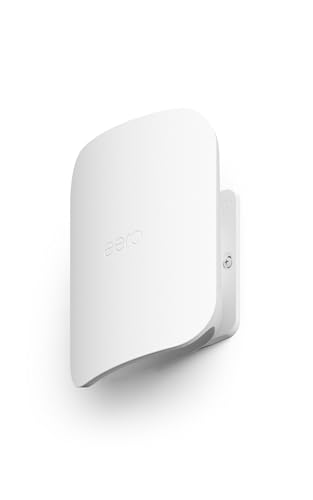
eero Outdoor 7 PoE Wi-Fi 7 Router
Best for: outdoor coverage and wireless bridging
- Wi-Fi Standard
- Wi-Fi 7
- Speed Rating
- 2.1 Gbps
- Coverage Area
- 15,000 sq. ft.
- Device Capacity
- 100+ devices
- Pack Size
- 1-Pack
- PoE Support
- PoE
View on Amazon: eero Outdoor 7 PoE Wi-Fi 7 Router Affiliate link
The Eero Outdoor 7 is a weatherproof mesh router designed for outdoor coverage up to 15,000 square feet. It supports Wi-Fi 7 with speeds up to 2.1 Gbps and connects over 100 devices. The unit features an IP66 rating, operating in temperatures from -40°F to 131°F. It offers PoE+ or AC power and includes a point-to-point wireless bridge for extending networks up to 1,000 feet apart.
Pros
- IP66 weatherproof rating for dust, rain, and snow
- Wi-Fi 7 speeds up to 2.1 Gbps
- Supports Power over Ethernet (PoE+) or AC power
- Point-to-point wireless bridge up to 1,000 feet
Cons
- Single unit pack size
- Requires clear line of sight for bridge mode
- Advanced security features need eero Plus subscription
Good fit if
- You need reliable Wi-Fi for outdoor spaces like patios or yards
- You want to extend your eero network wirelessly to a distant building
- You prefer Power over Ethernet installation for outdoor units
Skip if
- You only need indoor coverage
- You require a multi-pack bundle for a single large indoor area
- You need advanced security features without a subscription
Verdict: Eero Outdoor 7 PoE Mesh Router is ideal for users needing durable, high-speed Wi-Fi in outdoor environments. It fits those extending their home network to detached structures or large yards via wireless bridging.
Specifications side by side
| Spec | Amazon eero Pro 7 Tri-Band Wi-Fi 7 Router | eero Outdoor 7 PoE Wi-Fi 7 Router |
|---|---|---|
| Wi-Fi Standard | Wi-Fi 7 | Wi-Fi 7 |
| Speed Rating | not stated | 2.1 Gbps |
| Frequency Bands | tri-band | not stated |
| Coverage Area | 2,000 sq. ft. | 15,000 sq. ft. |
| Device Capacity | 200+ | 100+ devices |
| Max Port Speed | 5 GbE | not stated |
| Frequency Band | Tri-Band | not stated |
| Pack Size | 1-Pack | 1-Pack |
| PoE Support | not stated | PoE |
| Features | Mesh | Mesh |
| Intended Use | not stated | Outdoors |
| Placement | not stated | Outdoor |
| Dimensions | 5.79 × 3.11 × 7.09 inches | 8.17 × 6.34 × 2.54 inches |
| Weight | 1.68 pounds | 2.43 pounds |
| Size | 1-pack | 1-pack |
| Color | WHITE | WHITE |
| Model | ME10001 | SN10001 |
Frequently asked questions
Can the eero Outdoor 7 be used indoors?
The eero Outdoor 7 is designed for outdoor placement. Its intended use is for exterior environments. While it can function indoors, its large size and specific build target outdoor coverage. The eero Pro 7 is a better choice for indoor homes. It fits standard indoor spaces with a 2,000 square foot coverage area.
Does the eero Outdoor 7 require a power adapter?
The eero Outdoor 7 supports Power over Ethernet. This means it draws power through the Ethernet cable. You do not need a separate power adapter for this unit. The eero Pro 7 does not list PoE support. It likely requires a standard power connection for indoor operation.
What is the size difference between the two routers?
The eero Outdoor 7 is significantly larger than the Pro 7. The Outdoor 7 measures 8.17 inches in length and 6.34 inches in width. The Pro 7 is more compact at 5.79 inches long and 3.11 inches wide. The Outdoor unit also weighs more at 2.43 pounds compared to the Pro 7.
Is the eero Pro 7 tri-band?
Yes, the eero Pro 7 is a tri-band router. It uses three frequency bands to manage network traffic. This design helps handle heavy device loads in high-bandwidth homes. The eero Outdoor 7 does not list band information in its attributes. It focuses on outdoor durability and wireless bridging capabilities.
Can I use both routers in the same mesh?
Both units use Wi-Fi 7 and the same eero app ecosystem. They share backward compatibility with previous generations. You can mix them in a single mesh network. The Pro 7 handles indoor coverage while the Outdoor 7 extends the signal outside. This setup provides comprehensive coverage for large properties.
Which model is better for a detached garage?
The eero Outdoor 7 is better for a detached garage. It is built for outdoor placement and wireless bridging. It can connect to your main network without running long Ethernet cables. The eero Pro 7 is for indoor use. It covers 2,000 square feet but is not designed for exterior environments.